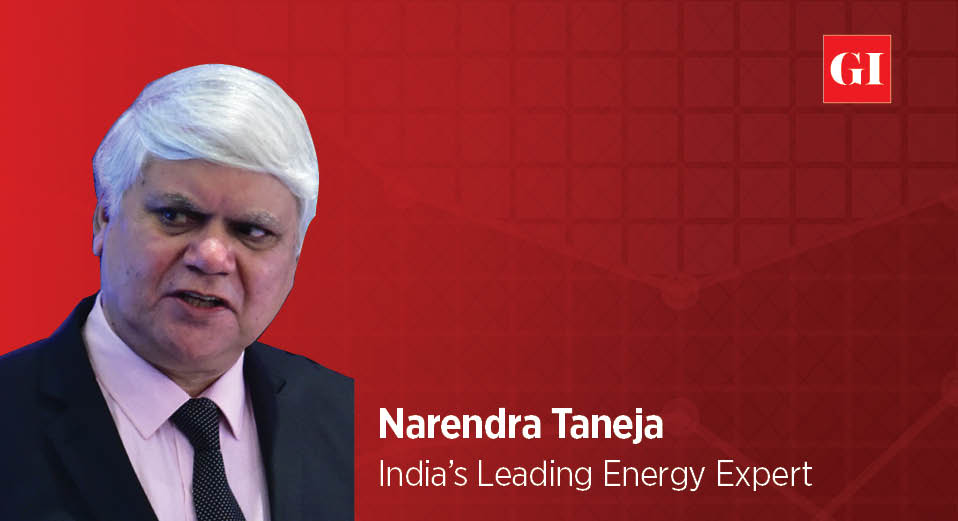
If 2025 cracked the façade of a rules-based global order, 2026 will confirm its replacement. The coming year will not be defined by ideology, institutions, or even alliances as we once understood them, but by pragmatism, power, and price signals. Energy markets sit at the center of this shift.
The world has entered what can only be described as a geopolitical “Wild West.” The U.S. intervention in Venezuela marks more than a country-specific shock; it represents a structural break from decades of multilateralism and legal restraint. In its place emerges a more transactional, unilateral global system, one where outcomes are shaped less by diplomacy and more by leverage. This reality will frame energy, trade, and growth in 2026.
Paradoxically, this disorder is unfolding alongside remarkable economic resilience in parts of the Global South. India stands out. Despite slowing global growth, trade friction, and geopolitical noise, India is on track to sustain GDP growth above 7 percent in 2026. Domestic demand, policy agility, and improving macro buffers have fundamentally changed India’s ability to absorb external shocks. For the first time in decades, energy volatility is no longer an existential threat to its growth story.
Oil markets reflect this new equilibrium. Brent crude averaging around $60 per barrel in 2026 is not a sign of weakness, but balance. Supply growth from the Americas, demand moderation in mature economies, and the absence, so far, of major supply disruptions point to a narrow trading range rather than price spikes. For consumers, this offers relief; for producers, it demands discipline.
Yet beneath this apparent stability, the architecture of global oil governance is shifting. A de facto U.S.-led Western Hemisphere oil bloc is beginning to take shape. It is informal, unspoken, and powerful. As production across the Americas deepens integration with U.S. strategic interests, OPEC’s role as the primary signaling mechanism for oil markets will be increasingly challenged.
Nowhere is this clearer than in Venezuela. The country’s likely exit from OPEC would have been unthinkable a decade ago. Today, it appears increasingly plausible. Political turmoil may persist in the short term, but the direction is unmistakable: Venezuelan barrels will re-enter global markets in scale within the next two to three years. When they do, they will flow first and foremost toward the United States, reshaping Atlantic Basin dynamics and weakening OPEC cohesion.
Meanwhile, Europe’s geopolitical fragility will not end with a pause in fighting in Ukraine. Even if hostilities subside, peace will not return in any meaningful strategic sense. Sanctions, mistrust, and security anxiety will continue to weigh on European growth and energy policy, reinforcing a defensive, inward-looking posture through 2026.
Against this backdrop, fears that India faces coordinated sanctions over its energy choices are overstated. Europe needs India economically and strategically; it cannot afford alienation. The real risk lies elsewhere: unilateral U.S. tariffs. Tariffs, not sanctions, are the weapon of choice in a world where coercion must remain politically palatable. Even so, India’s growth trajectory appears resilient enough to absorb such shocks.
Energy affordability remains central to this resilience. India can manage oil prices up to $70 per barrel without derailing growth, an extraordinary shift from past cycles. This is not luck; it reflects deliberate policy design, fiscal buffers, and a willingness to tolerate short-term inflation to protect long-term momentum.
Crucially, India will continue importing Russian oil, regardless of external pressure. This is not ideological defiance but economic rationality. Strategic autonomy, diversification, and affordability will guide decisions, not alignment politics. At the same time, India will deepen energy trade with the United States, particularly crude and LPG, using energy flows as a diplomatic balancing tool rather than a loyalty test.
The lesson of 2026 is stark but clarifying. The world is not fragmenting into chaos; it is reorganizing around interests. Countries that recognize this early, by prioritizing resilience over rhetoric and pragmatism over posturing, will shape the next decade. Those clinging to an old rulebook may find that the game has already moved on.