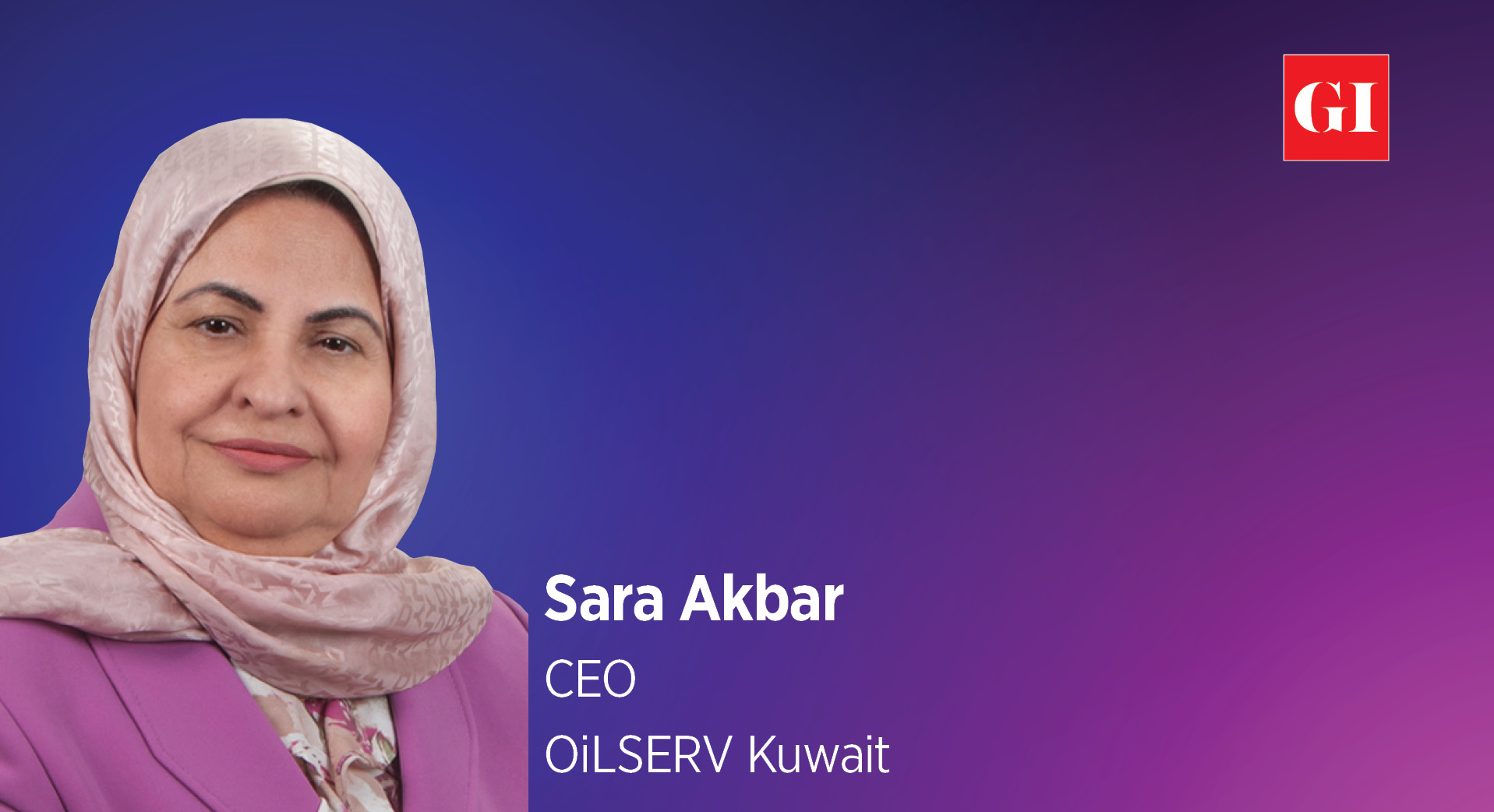
As I look to 2025, I anticipate Brent crude oil prices to hover around $70 per barrel, barring major geopolitical disruptions. This forecast reflects the interplay of market dynamics, wars, and shifting geopolitical landscapes, including potential policy shifts from the U.S. administration. While $70 may seem modest, I firmly believe that Kuwait’s $30 billion energy infrastructure investments are designed for the long haul, not dictated by short-term price fluctuations. Kuwait’s energy strategy is grounded in maintaining its vital role in the global oil market while addressing the realities of aging fields and expanding capacity. Our five major fields currently produce 2.5 million barrels per day but are in natural decline. Sustaining this output requires significant investment. At the same time, we’re focusing on new sources, such as the Ratqa and Omega fields, which now contribute 90, 000 barrels of heavy oil, and recent offshore discoveries that promise high-quality light oil, condensate, and gas. These efforts, including drilling deeper offshore reservoirs, signal our intent to secure long-term production stability. Critics often question why Kuwait invests so heavily in oil production, particularly when OPEC+ carries six million barrels of idle capacity and demand remains uncertain. I’ve heard similar skepticism in the past, such as during the construction of the Al-Zour refinery. Today, that refinery operates at full capacity, producing 600, 000 barrels per day and meeting global demand for in-demand refined products. This illustrates why Kuwait takes a long-term view. For us, oil and gas are not just resources but economic lifelines. Alongside our sovereign wealth fund, these revenues underpin Kuwait’s financial stability. If we were a private company, investing in these resources would remain our top priority due to the reliable returns they generate, even at today’s prices. Looking ahead, Kuwait’s energy strategy remains resilient amid a volatile global landscape. While I foresee prices staying around $70, geopolitical risks such as a potential U.S. flooding of the market could challenge OPEC+’s ability to maintain stability. Despite this, I am confident that our investments in sustaining current production and exploring new capacities will position Kuwait as a cornerstone of global energy security for decades to come. In Kuwait, we’re not just preparing for 2025, we’re investing in a future where our energy resources continue to play a pivotal role in the global market, regardless of short-term price dynamics.
$70 BRENT OIL IN 2025: Why Kuwait’s Investments Are Built for the Long Term