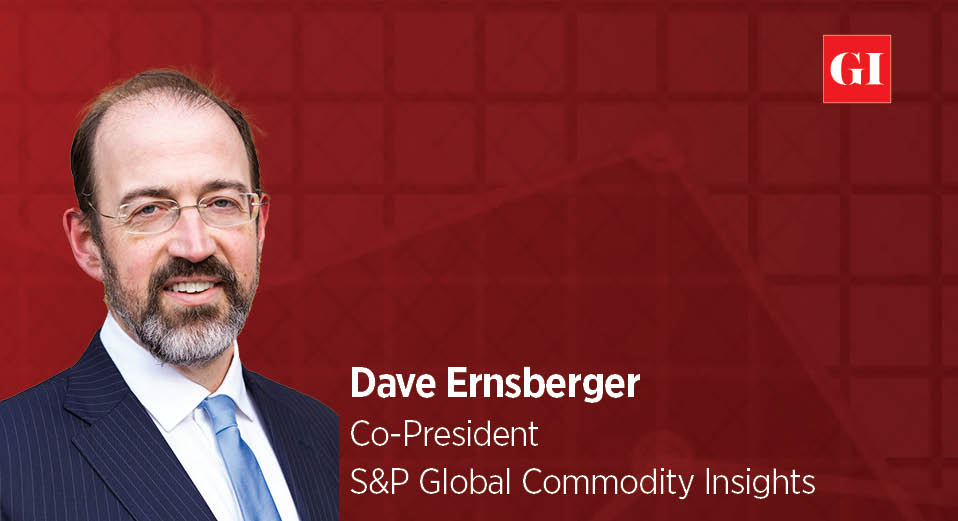
The decline of the WTO has not dismantled global commodity trading. In truth, its role was always overstated. What matters most are trading norms, relationship-driven practices that resolve disputes and ensure continuity. Strong bilateral agreements and a diverse web of trusted counterparties remain the real backbone of energy trade. This has been proven repeatedly, from the COVID disruptions to today’s geopolitical tensions. Benchmarks, too, have demonstrated resilience. They adapt to shocks, whether the long-term shift of WTI Midland into Europe and Asia, or the rerouting of Russian barrels. Far from being obsolete, benchmarks remain central tools for managing risk and arbitrage in a system that prizes pragmatism over rigid rules.
NOCs, AI, and the race for alpha
National oil companies in the Middle East are no longer just passive sellers. They are building trading arms to compete with established houses. This evolution demands taking on more risk, and adopting the technology to manage it. Trading houses already leverage artificial intelligence to quantify exposures and uncover alpha. NOCs must follow suit. The most profitable trades, such as discounted Russian crude moving to India’s west coast, carry risk premia for a reason. Without AI-driven analytics, NOCs risk falling behind in speed, precision, and competitiveness. The future belongs to those who pair market access with cutting-edge risk management.