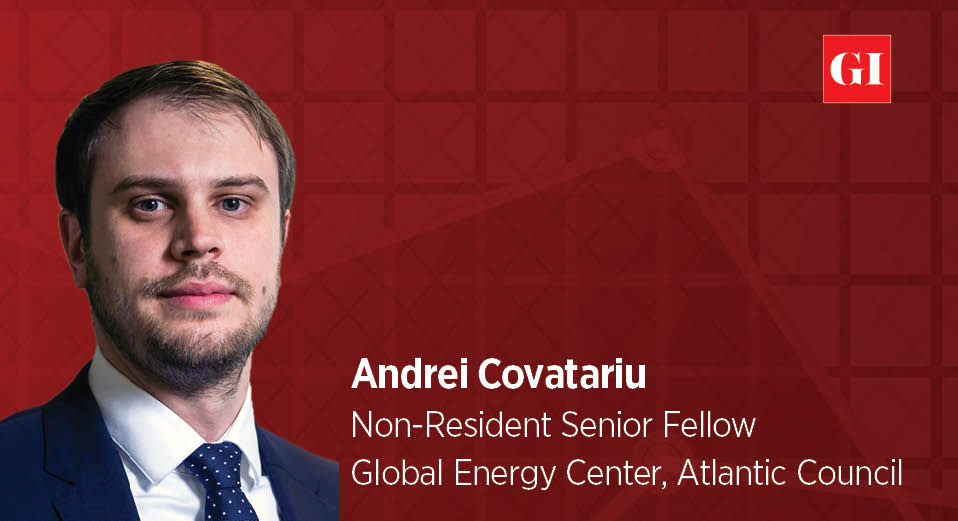
Europe may be better prepared than in 2022, but it is not out of the woods. Gas storage levels around 36–38%, comparable to crisis-era lows, underscore how fragile energy security remains. Refilling stocks this year will be more challenging, even if the continent is structurally more resilient than at the start of the Ukraine war. Sanctions on Russia are having an impact, particularly on oil revenues that matter most to the Kremlin. Yet enforcement gaps and delayed effects blunt their force. Oil is Russia’s economic lifeline, while gas has always been more overtly geopolitical, a distinction that shapes how pressure is applied.
Europe’s diversification strategy, especially increased LNG imports from the US and Gulf producers, has improved flexibility. But flexibility is not immunity. A disruption in Iranian gas flows to Turkey could push Ankara into LNG markets, tightening global supply and lifting prices. Weaker hydropower output due to low snow coverage could also raise gas demand for electricity.
This convergence of geopolitical strain, weather variability and global LNG competition creates conditions for a potential “perfect storm.” It may be manageable, but only narrowly. In this context, nuclear energy’s revival is strategic, not ideological. Predictable pricing and stable baseload supply are increasingly valuable in a volatile world. The energy transition continues, but security considerations are now firmly in the driver’s seat.