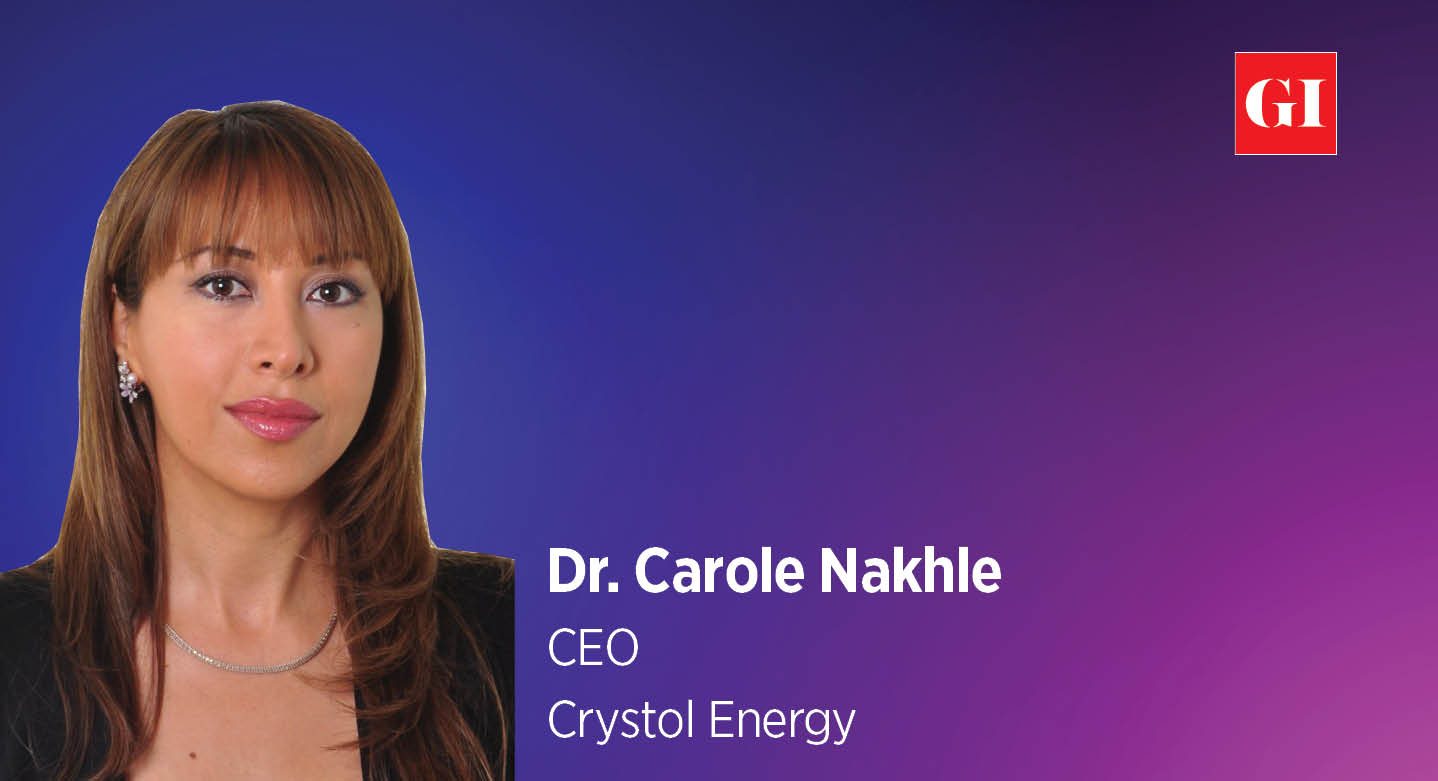
While I applaud the steps towards dismantling the brutal Assad regime, I don’t believe this marks the beginning of a stable period. Such entrenched power structures don’t change overnight. Even with new leadership, structural changes are essential to create a stable and prosperous nation, and that process could take not just years but decades. Additionally, Syria remains highly precarious, with various armed factions still present. These groups could easily destabilize any progress.
Given the demand outlook, can OPEC+ hold things together while also addressing internal issues like compliance?
Cheating has always been a chronic problem for OPEC, and now with OPEC+, the issue of compliance has become even more complicated due to the larger number of participants. It’s not just a matter of countries wanting to cheat for the sake of it. OPEC+ is not a homogeneous group. Some members require much higher oil prices to balance their budgets and maintain economic stability, as they are more dependent on oil revenues than others. Take Iraq, for example, it’s highly dependent on oil revenues and feels entitled to regain the market share it lost during wars and sanctions. There’s no easy solution to how OPEC+ can address this. They could resort to punitive measures, like when Saudi Arabia previously flooded the market as a warning. However, this is unlikely to happen again anytime soon. More realistically, they will continue with the “naming and shaming” approach. The group has a choice: either accept this dynamic and continue operating with it or risk losing relevance altogether. I think they’ll opt for the former.
Will more China stimulus succeed in spurring oil demand next year?
We are seeing some green shoots from China with the government hinting at a looser monetary policy. While demand growth remains uncertain, I’m more optimistic about 2025 than 2024. However, this optimism is clouded by potential challenges, such as US tariffs on China and other countries. Economically speaking, tariffs are bad news for global growth. They wouldn’t just hurt China but could ripple across the global economy, posing a major challenge for 2025.