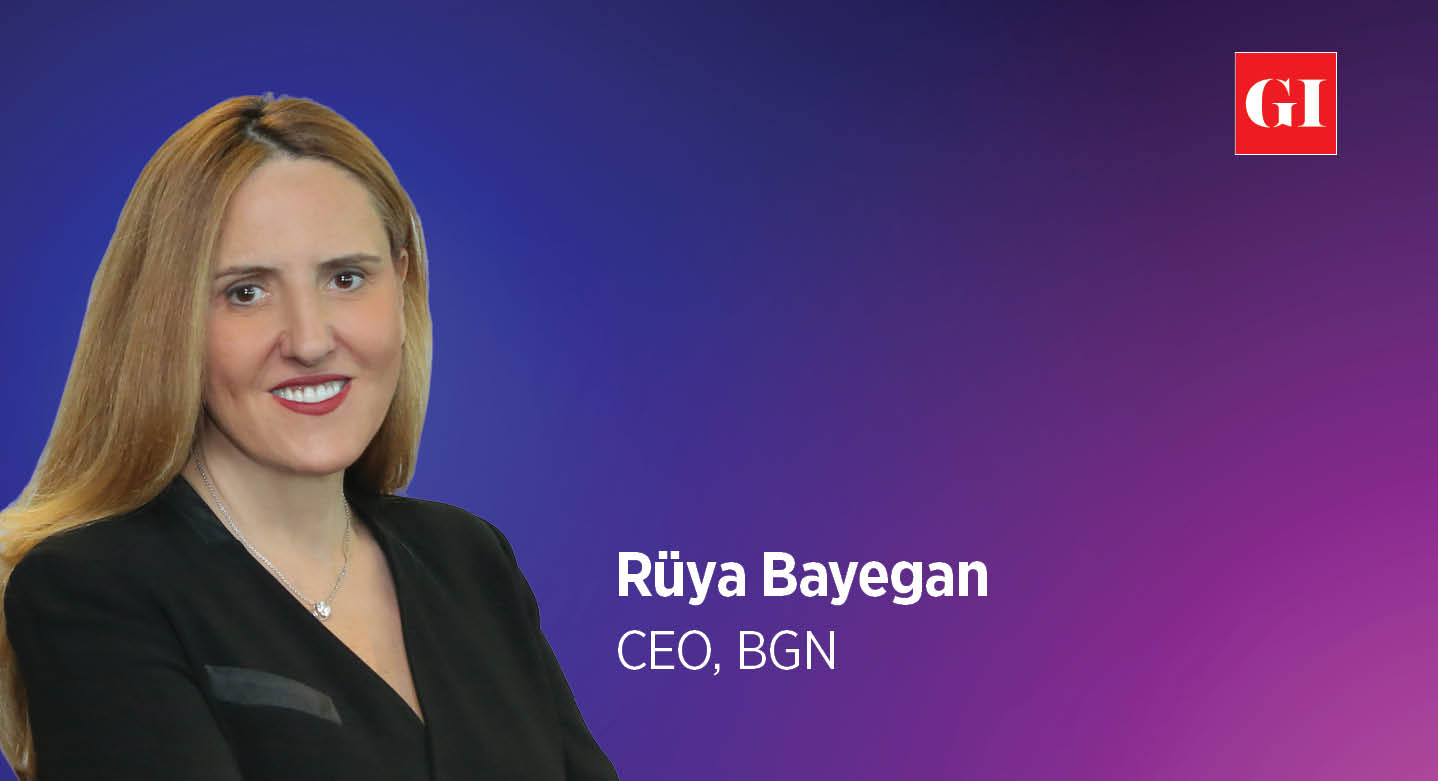
Global energy markets are increasingly exposed to geopolitical volatility, supply chain fragility, and public scrutiny. For those of us operating in the Middle East, a region at the epicenter of many of these forces, the pressure to adapt has never been higher. From pandemics and sanctions to environmental disasters and civil unrest, these disruptions have exposed deep vulnerabilities in the way oil and gas are extracted, traded, and transported.
Despite the push toward renewables, hydrocarbons remain indispensable to global development. They power economies, lift billions into higher living standards, and remain potent geopolitical bargaining tools. But energy companies must now do more than just deliver resources, they must deliver with integrity. Commercial and reputational risks are as critical as physical ones. At BGN, we’ve long adopted a compliance-first strategy, embedding transparency, conducting deep due diligence, and prioritizing exit over engagement when sanctions or instability cross red lines.
Our success, built over 80 years and through many market shocks, lies in long-term relationship building and a commitment to doing business with transparency. In Libya, with UN and government support, we helped stabilize water and electricity infrastructure through the oil-for-fuel program, keeping the country from slipping deeper into chaos. But equally, our “exit first, enter last” policy ensures we disengage from sanctioned regions immediately. This risk-aware approach isn't just ethical, it’s strategic.
As the region gradually embraces the energy transition, new complexities emerge. The promise of renewables must be balanced with the current limitations of their infrastructure, especially in developing countries where energy demand growth far exceeds what solar or wind can yet provide. Hydrocarbons remain the most efficient bridge for now, but clean energy solutions must follow closely behind. At BGN, we are expanding our role in transition fuels and investing in critical minerals for battery storage and electric mobility.
However, the shift to renewables brings a new compliance challenge. Unlike a barrel of oil, which can be refined and exported from the same country, critical minerals for clean tech involve long, opaque supply chains. This expands the risk of human rights abuses, environmental violations, and corruption. That’s why we're doubling down on robust compliance systems, and urging others to do the same.
The energy sector’s future in the Middle East will depend not just on resources, but on trust. In a world of rising uncertainty, transparency isn’t just a virtue, it’s our industry’s license to operate.