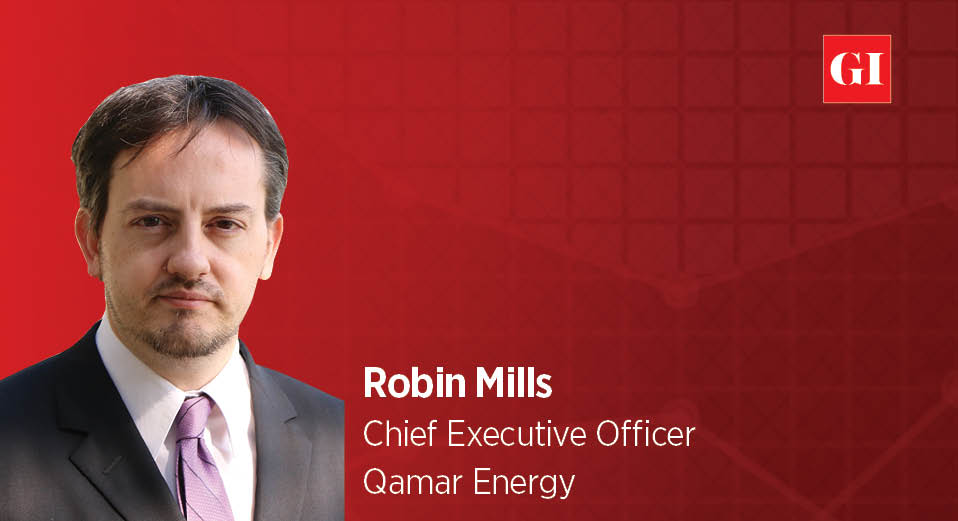
1. OPEC+ Holds Its Nerve as Prices Slip, No Sudden Policy Reversal Ahead
Robin Mills expects OPEC+ to stay the course with its measured monthly supply increases, despite Brent drifting near $60. A sudden reversal, he argues, would look like “blinking in the face of the market.” The group maintains tolerance for limited price weakness as long as there’s no collapse into the $50s. By proceeding steadily, OPEC+ aims to project confidence, avoid market panic, and keep strategic control over supply expectations. The alliance’s incremental approach underscores its long-term strategy, a preference for steady management over reactive intervention, even in the face of short-term price volatility.
2. OPEC+ Supply Discipline Fades as Real Output Growth Stalls
While OPEC+ officially continues to increase output, Mills highlights that the real-world impact of these hikes is waning. Many producers are unable to reach their allocated quotas due to infrastructure and investment limits, meaning the group’s aggregate additions are smaller than headline figures suggest. This unintentional underperformance acts as a natural stabilizer, curbing oversupply risks even as nominal production targets rise. It also exposes deeper structural issues within the alliance, uneven capacity, constrained compliance, and a need to reset baselines, to maintain both internal credibility and a coherent long-term production framework.
3. Gulf Economies Stay Resilient as Saudi Arabia Manages Fiscal Tightrope
Mills sees the Gulf’s macroeconomic outlook as surprisingly robust despite softer oil prices and a weaker dollar. Regional GDP forecasts have been upgraded, reflecting higher production and healthy non-oil activity. While Saudi Arabia has trimmed or refocused some Vision 2030 projects, these are efficiency moves, not signs of distress. The Kingdom’s debt levels remain manageable through 2030, with diversification gains expected as new oil, gas, and industrial sectors mature. Overall, the Gulf remains on solid fiscal and macro footing, allowing OPEC+ producers to sustain their strategy without immediate domestic economic strain.