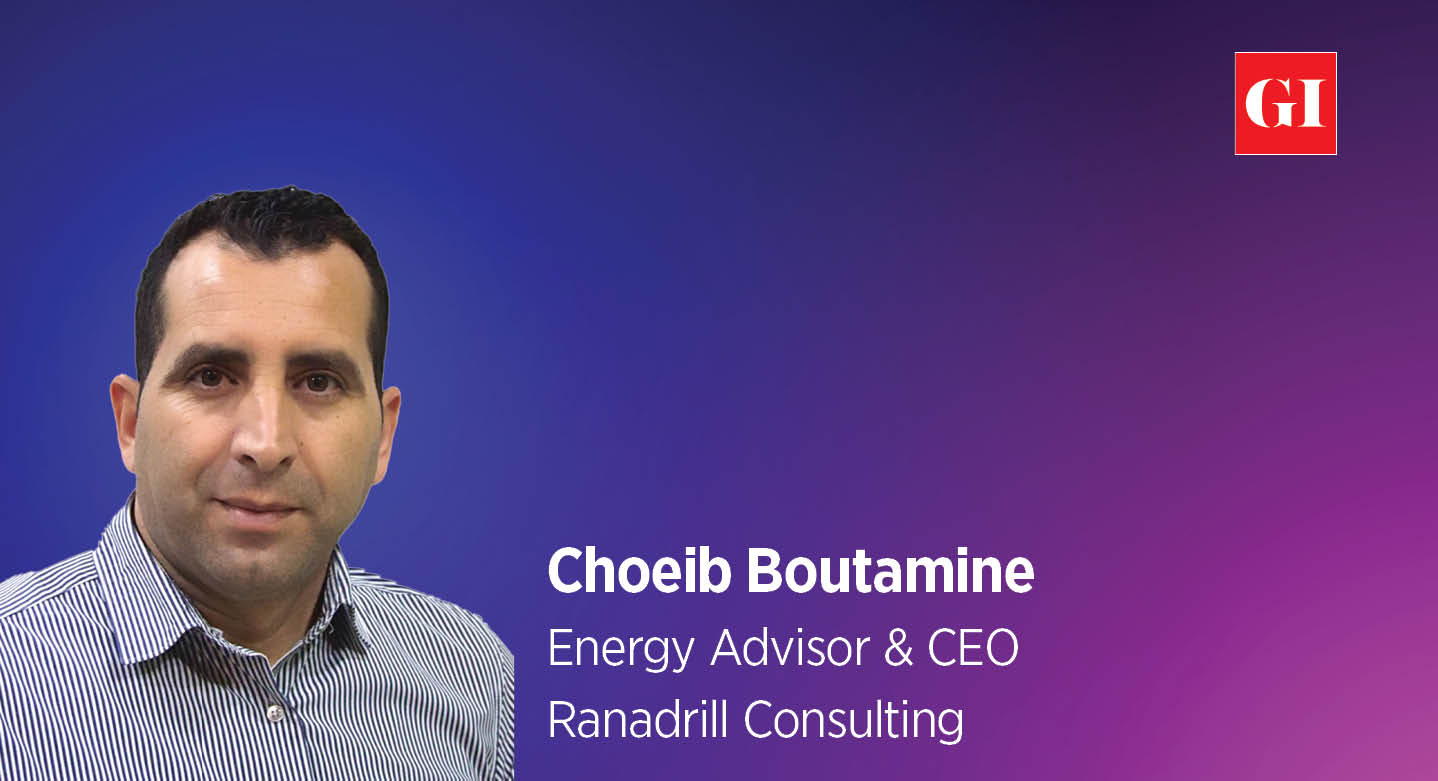
That sent a negative sentiment to markets and investors. When they first announced in June that they would be increasing production in Q4, prices held steady at around $80 to $83. When they suggested waiting until December to resume pumping, prices dropped. They need to move forward with the plan to release voluntary cuts in December; if they don’t, someone else will, like Iraq or Iran, or even non-OPEC+ producers. They need to protect market share and maintain unity within the group, with some members having capacity to increase production.
Can the market absorb extra barrels today?
OPEC+ is facing many complex factors, particularly fundamentals. We saw China’s oil demand drop by half a million b/d in August, year-on-year, marking the fourth consecutive month of decline. And China is not the only economy facing recession. Still, even if the group adds the planned 180, 000 barrels in December, it won’t have a significant impact. OPEC+ can’t change global economic trends; they can only make incremental adjustments
to retain market share.
Outlook for future investment in Algeria’s oil and gas capacity?
Algeria’s main market is Europe, and those countries are focused on securing natural gas supplies as part of their Energy Transition. European nations are increasingly focused on renewable energy, and we recently saw promising developments in Algeria, with several companies - including from Italy, Germany and Austria - signing MOUs, to explore hydrogen exports to the EU. This is an exciting new challenge for North African countries, which have significant potential in the green energy sector, including hydrogen.