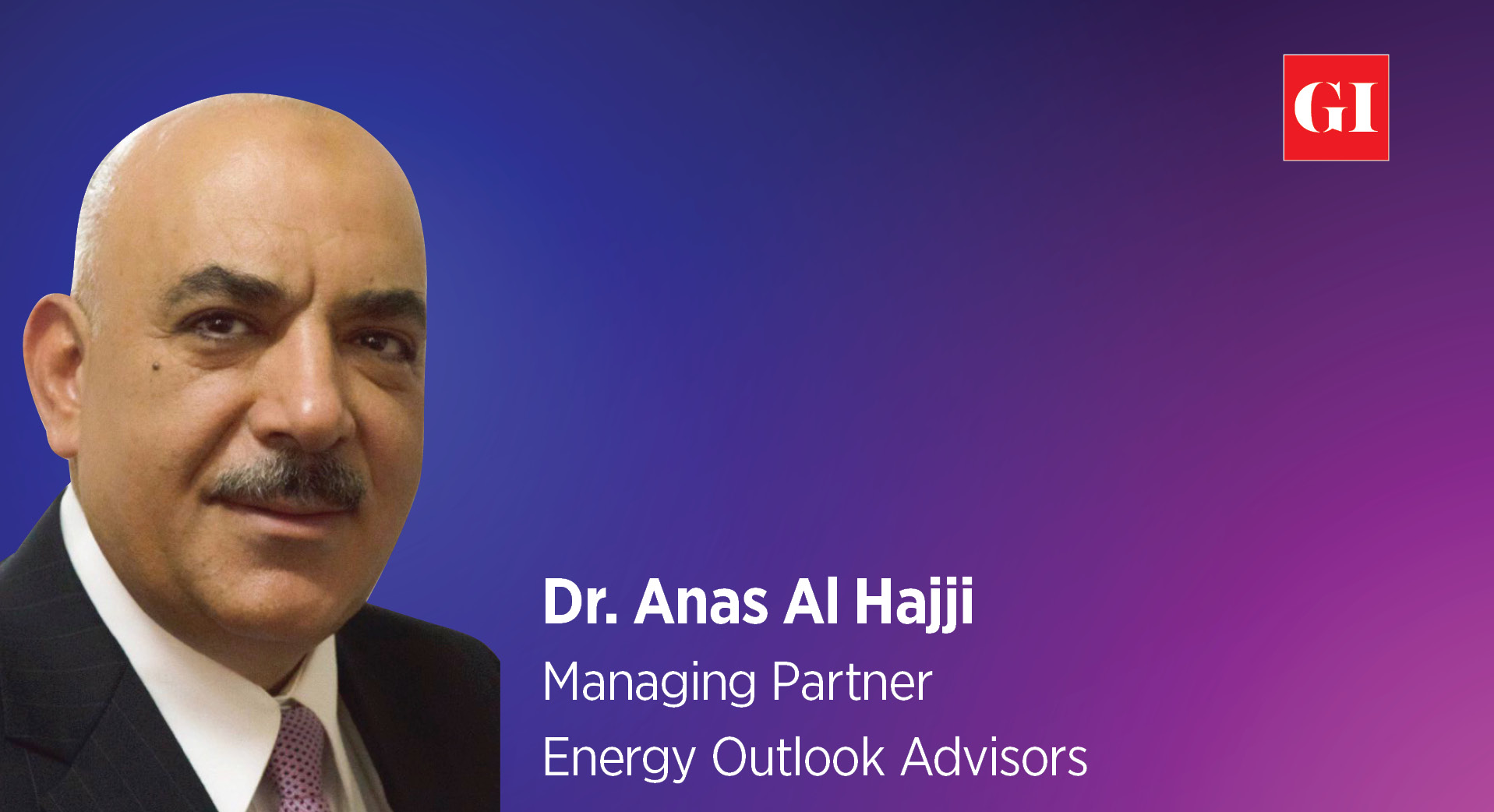
The global oil market is entering 2025 with a sense of stability that seemed elusive just a few years ago. This newfound steadiness is a testament to the strategic success of OPEC+ in 2024, as the group adeptly achieved its objectives of market stability, low volatility, and price floor maintenance. Despite common misconceptions, these efforts were never about driving prices higher but about averting a collapse. Brent crude prices holding steady in the $70 range reflect a carefully calibrated balance in a volatile geopolitical and economic environment. The return of Donald Trump and his “drill, baby, drill” mantra is set to introduce another layer of complexity. However, his aspirations for significantly boosting U.S. oil production face formidable challenges. Shale oil, with its high decline rates, demands constant reinvestment just to maintain production levels. Adding to this, the industry is no longer buoyed by the cheap money of Trump’s first term, with higher interest rates and a consolidated market dominated by oil majors prioritizing profitability over expansion. Trump’s strategy also includes reinvigorating sanctions on Iran. Yet, the landscape has shifted since 2018. Iran has strengthened ties with China, developing mechanisms to bypass U.S. sanctions and reducing its dependency on Western financial systems. This resilience renders Trump’s ability to enforce impactful sanctions significantly diminished. Looking ahead, OPEC+ appears well-positioned to sustain its production cuts, with members like Kazakhstan and Iraq showing improved compliance. The group’s ability to manage its effective spare capacity of approximately 3.8–3.9 million barrels per day ensures flexibility to respond to changing market dynamics. For 2025, Brent crude prices are likely to remain within the $70 to $80 range. While the interplay of global politics, non-OPEC+ supply growth, and economic factors will continue to shape the market, OPEC+ has proven its capacity to adapt and lead. This resilience underscores the critical role of strategic cooperation in navigating the evolving energy landscape.
OPEC+ Triumphs Amid Global Challenges