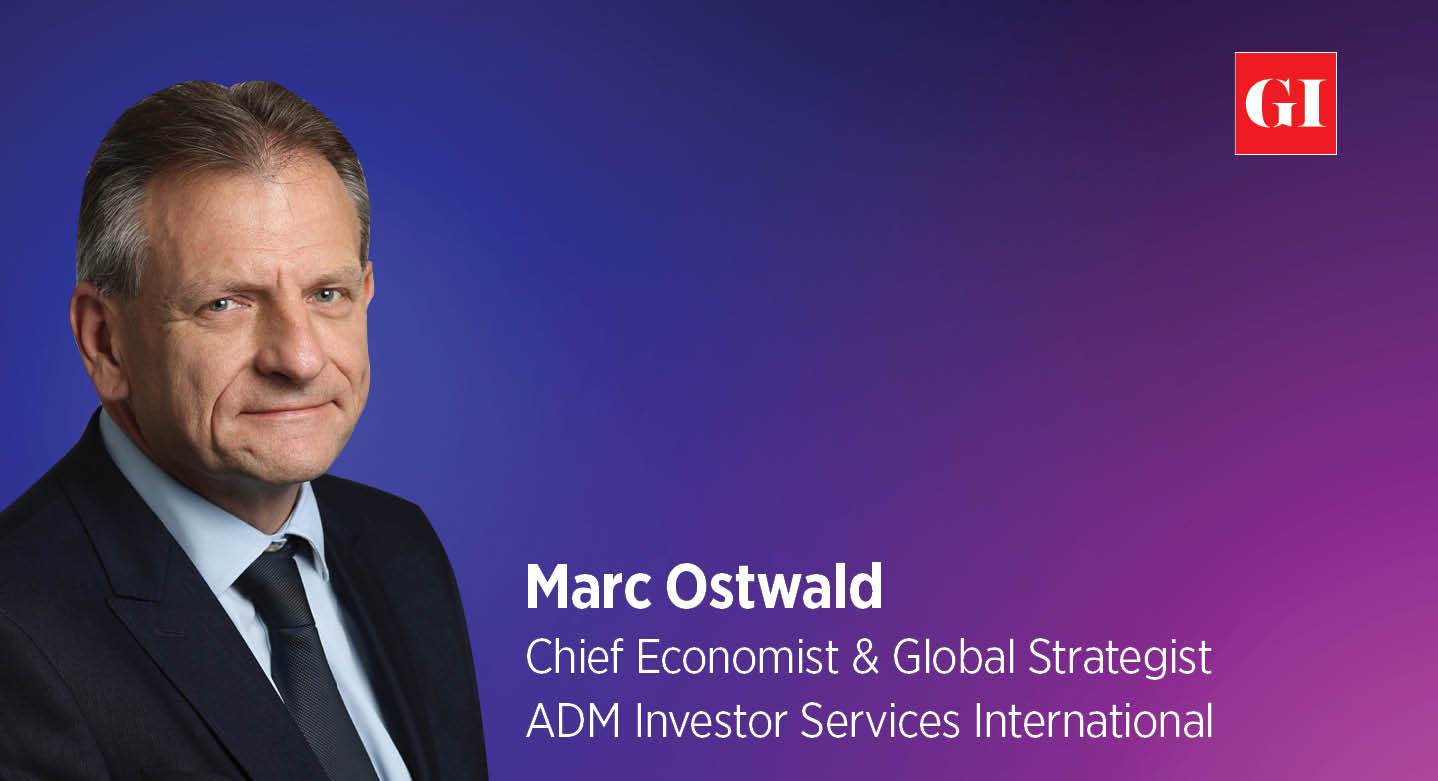
The recent rollercoaster in global markets offers a stark reminder that we are navigating treacherous terrain. The dramatic price swings in oil and equities triggered by the Trump administration’s tariff pivot underscore how fragile the global economic architecture has become, and how quickly volatility can dominate the narrative.
Let’s be clear: while markets welcomed the so-called “relief rally, ” the underlying issues remain deeply concerning. The average U.S. tariff rate may have dropped from 27 percent to 24.5 percent, but that still represents a seismic disruption to global trade. And when trade falters, so does the oil market. It’s not just about barrels, it’s about the movement of goods, the machinery of global logistics, and the confidence of investors who no longer know which shock is coming next.
We must resist the temptation to overinterpret daily movements in oil futures or equity indices. These are, more often than not, the result of position clearances rather than meaningful directional signals. If anything, the recent oil price decline, some $15 from its peak, can be attributed roughly two-thirds to tariff-related fears and one-third to OPEC’s surprise decision to accelerate supply increases.
But even this split doesn’t tell the whole story. The true disruptors may lie in the secondary effects. Supply chain confusion, shipping dislocations, and even commodity rerouting, like China reselling liquefied natural gas, add layers of uncertainty. And in markets, uncertainty is poison.
The volatility index (VIX) remains elevated, a symptom of this ongoing instability. It has cooled slightly, but even at above 30, it reflects a world still very much on edge. Whether we’re discussing oil, bonds, or equities, the reality is clear: we are not returning to “normal” anytime soon.
One thing is certain, China is absorbing a significant economic hit, possibly up to 4 percent of its GDP. Yet its options are limited. It must respond with strength to avoid losing face, a critical cultural tenet, while also managing a precarious economic balance at home. Meanwhile, the U.S. flirts with systemic risk. The bond market, not equities, has emerged as the true check on Trump’s economic strategy.
In this geopolitical chess game, volatility is not a side effect, it is the defining feature. The era of predictable markets is over. We’re all just trying to stay upright while the ground shifts beneath our feet.