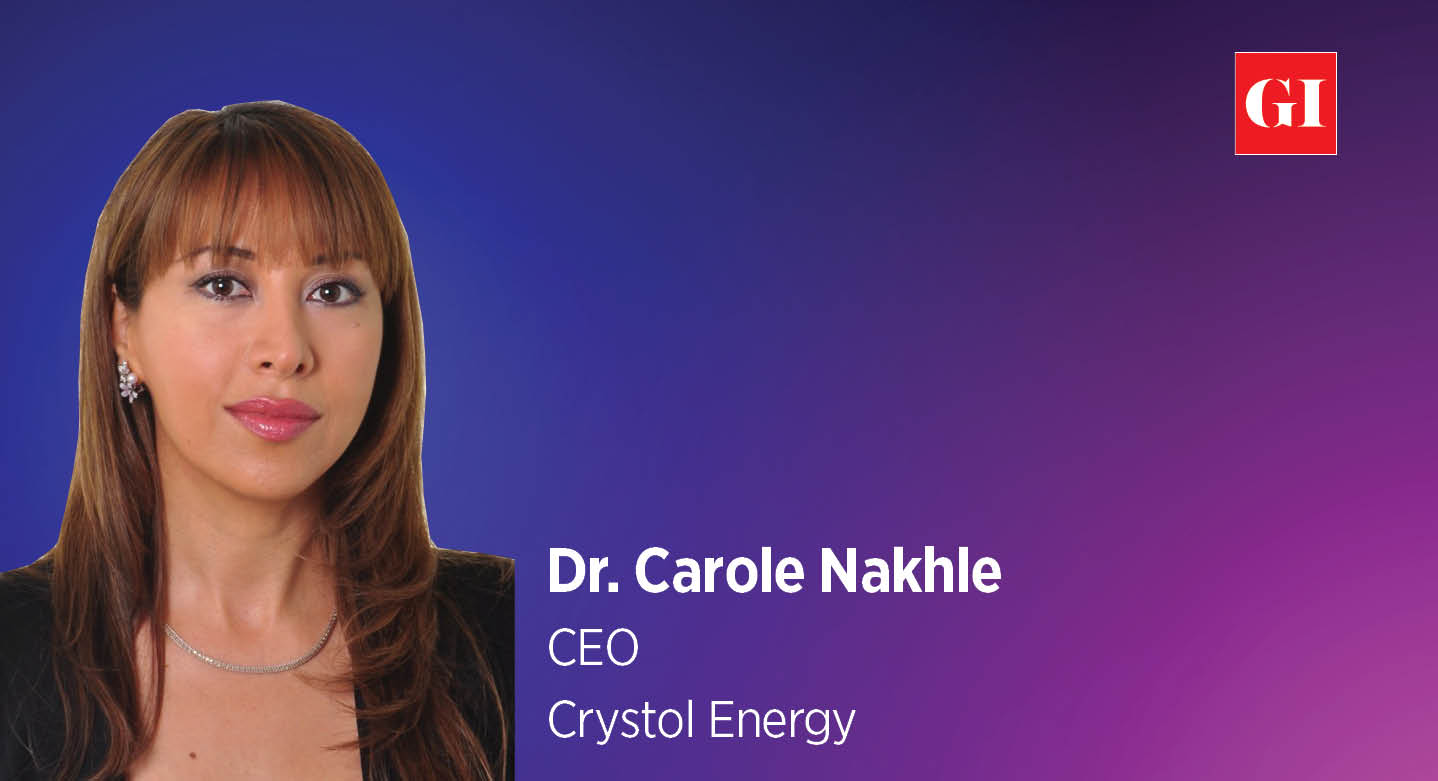
Concerns about energy affordability and economic pressures are now taking center stage. Even the EU Commission, historically the most aggressive in pushing climate policies, has adjusted its stance. There’s a realization that the Energy Transition is not as cheap as once promised. We still hear claims that green energy is cheaper than oil and gas, but the reality depends on how you define cost - whether looking at the entire supply chain for example or just specific segments of electricity production. However, we’re not seeing a full U-turn; even in the US with Trump’s return, climate targets aren’t being abandoned entirely, but the conversation is now more balanced, moving away from the polarized debates we saw a few years ago.
How do you see OPEC+ navigating their decision on volumes?
The oil market is being shaped by multiple uncertainties - particularly those introduced by the Trump administration’s tariff policies, which create macroeconomic instability. If it were a one-time price increase, the market could adjust, but tit-for-tat retaliation could escalate into a trade war, harming global growth. And this comes at a time when China, the world’s largest crude importer, is dealing with structural economic challenges. So, OPEC+ could reconsider its April decision. They may take a gradual approach, adjusting production in small increments, especially as additional sanctions on Venezuela and Iran could tighten supply further.
Are markets underestimating Middle East geopolitical risk?
The region remains as fragmented and volatile as ever. Syria remains fluid, and questions persist over whether it’s stable enough for business engagement. Iran’s role is equally unpredictable, and Hezbollah still holds influence in Lebanon. But despite ongoing conflicts, the oil market appears largely indifferent to geopolitical risk, and this is due to the significant spare capacity cushion.