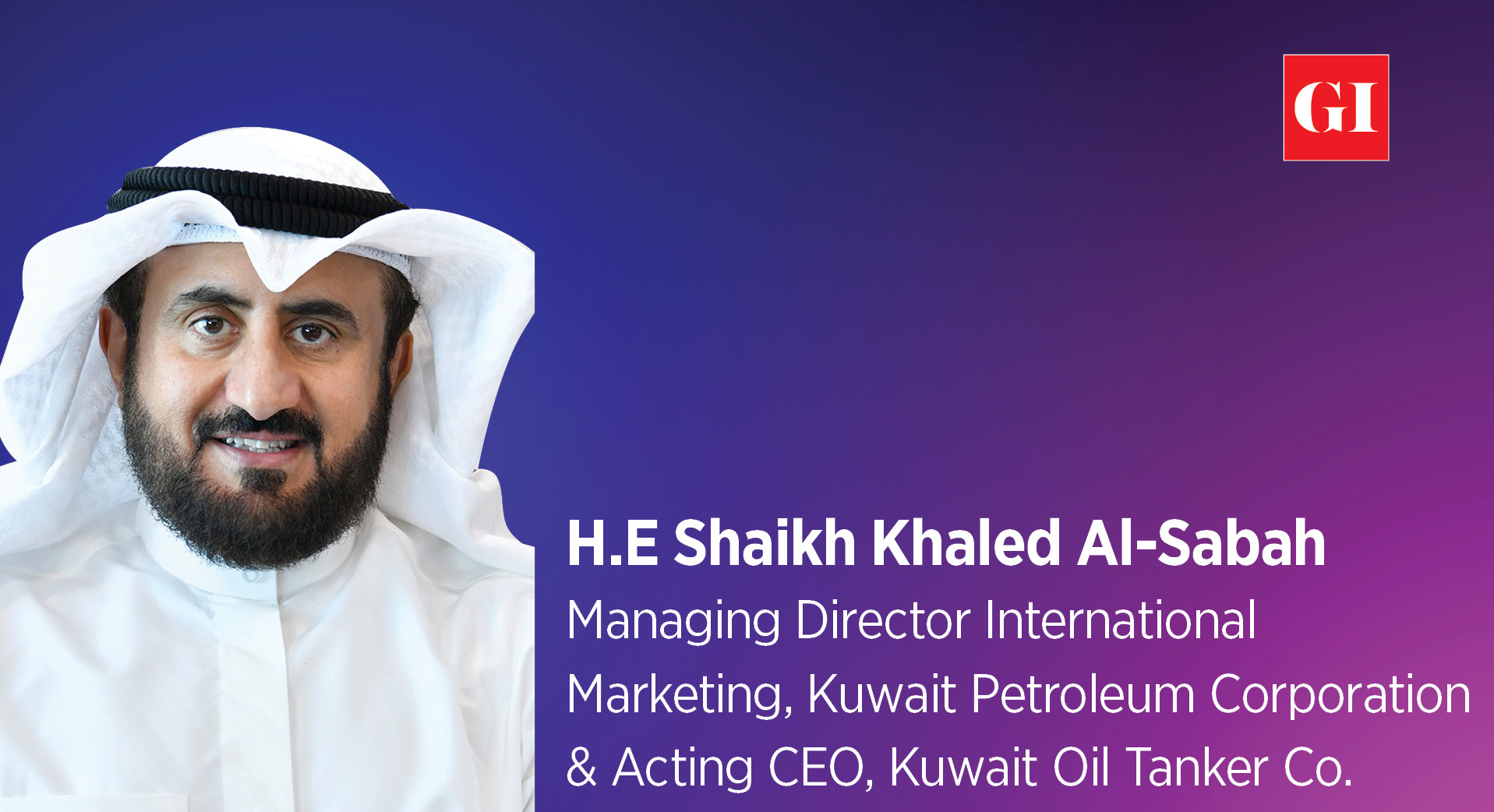
The rise of the “dark fleet” poses an escalating threat to global energy markets, maritime safety, and environmental security. These unsanctioned vessels, transporting sanctioned oil outside official frameworks, are rapidly reshaping the energy supply chain. Operating without standard regulations, these fleets engage in risky practices such as disabling tracking devices and conducting ship-to-ship transfers in open waters
creating a parallel, unregulated market. The consequences are severe: potential collisions, oil spills, and insurance complications that could disrupt global trade and energy flows. Kuwait has taken a proactive stance, calling for a unified global insurance framework, potentially under the United Nations, to bring these rogue operations under control and protect the stability of international markets.
Kuwait’s concerns about the dark fleet are part of its broader strategy to ensure safety and reliability in the global energy sector. The Kuwait Oil Tanker Company (KOTC) has already faced disruptions in key shipping lanes like the Red Sea, successfully managing risks by rerouting tankers and maintaining a 24/7 risk management system. However, the growing prevalence of the dark fleet presents a challenge that demands international cooperation and stricter oversight.
Beyond addressing these logistical challenges, Kuwait is leveraging its strategic investments to strengthen its global energy position. The establishment of the KPC Trading Company in Dubai’s DIFC marks a shift toward modernized trading practices, including risk management and hedging. This initiative not only enhances Kuwait’s ability to optimize sales but also aligns it with regional leaders like Aramco and ADNOC, who have successfully established independent trading entities.
Kuwait’s investments in refining capacity, including the Al-Zour refinery and the Clean Fuels Project (CFP), have further bolstered its ability to supply high-quality products to Europe and Asia. This diversification into refined exports has positioned Kuwait as a key player in addressing shifts in global energy flows, particularly amid disruptions caused by the Russia-Ukraine conflict. As the global energy sector faces mounting challenges, the unchecked growth of the dark fleet underscores the urgent need for international collaboration. Kuwait’s call for regulation reflects its commitment to safeguarding maritime operations and ensuring a stable, sustainable
future for energy markets worldwide. Tackling this issue is not just a matter of regulatory enforcement, it is essential to maintaining the integrity of global energy flows and protecting the environment from potential disasters.