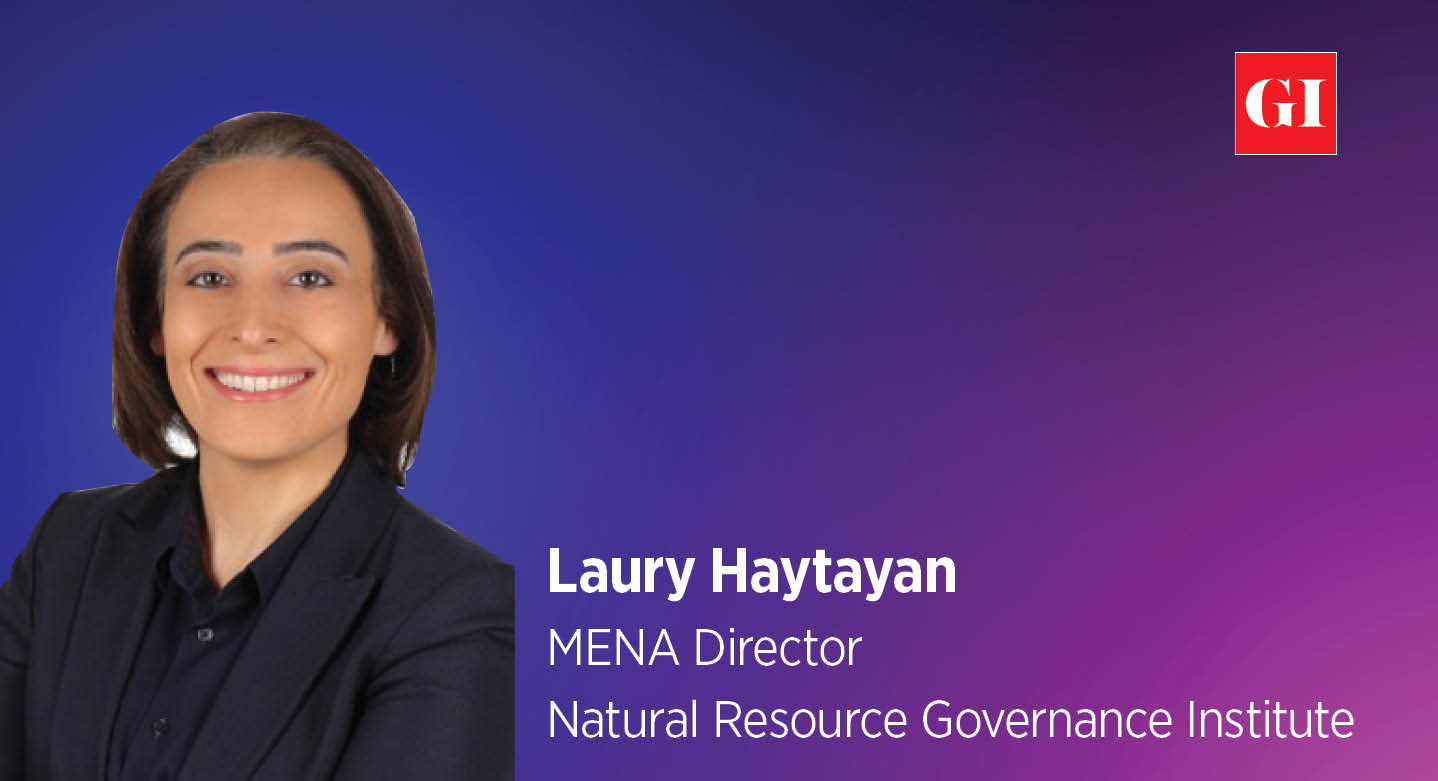
Will he reintroduce maximum pressure, increase sanctions on the oil and gas sector, or take a different approach? Additionally, there’s speculation about whether the US allows Israel to escalate further, possibly targeting Iranian nuclear facilities. While the ceasefire between Lebanon and Israel has reduced immediate pressure, the broader geopolitical situation remains volatile. The combination of Netanyahu and Trump, particularly in relation to Iran, suggests continued uncertainty. The deal in Lebanon does indicate Iran's involvement, which is a key factor. It’s important to understand what Iran is thinking regarding the Trump administration and their efforts to avoid economic, military, or security harm, particularly to their nuclear program. Also, Iran’s involvement likely signals that Hamas is in a precarious position. Iran’s support for Hamas has never been as robust as its backing of Hezbollah. Syria hasn’t supported Hamas either and Iraq has taken diplomatic steps to avoid being drawn into the conflict. With these dynamics, Hamas may find itself compelled to negotiate, aligning with Trump’s stated goal. Reports also suggest Trump told Netanyahu to "finish it" before his return to office, hinting at plans for a regional ceasefire and potential peace negotiations.
How do you interpret Saudi Arabia’s recent stronger rhetoric on the regional conflicts?
There have been simultaneously, ongoing discussions between Saudi Arabia and the US on broader regional issues. There are some in the region that don’t like the approach of business for peace or peace for business, but that is what Trump stands for. There are also many countries that are aligned with that kind of approach, and who before 7th October believed that the India-Middle East-Europe Economic Corridor (IMAC) project will be the future for the region.