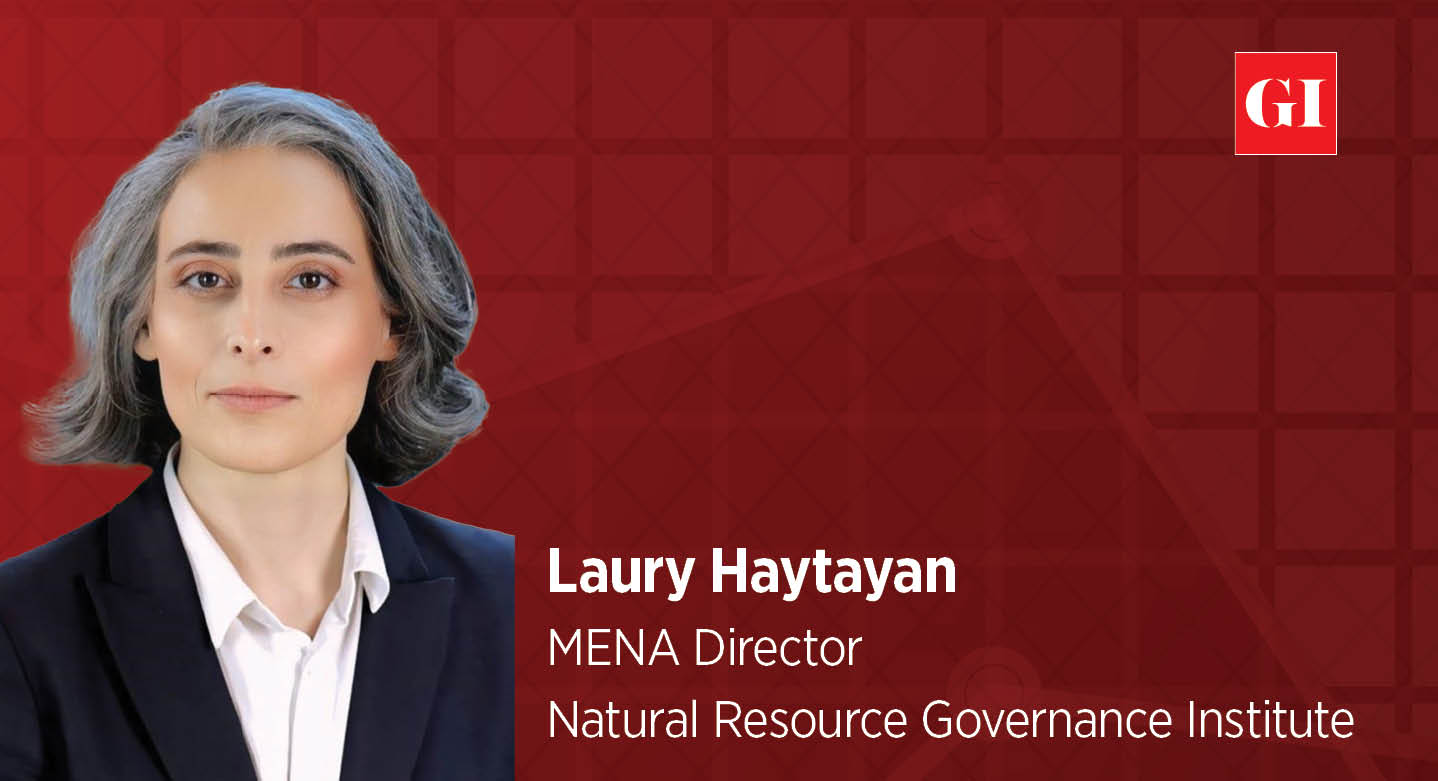
The UAE’s decision to leave OPEC is not merely a technical oil market adjustment, it is a geopolitical signal. While the timing minimizes immediate market disruption, the underlying drivers point to deeper fractures within the Gulf. The move reflects growing frustration in Abu Dhabi over regional dynamics, particularly a perceived lack of unified support in confronting Iran. Years of attempting engagement, through economic partnerships, energy cooperation, and security channels, have failed to deliver stability. The sense now is that strategic patience has run its course. This decision must be read alongside the broader regional context. The ongoing conflict and the closure of the Strait of Hormuz have reshaped priorities. The UAE’s exit suggests a pivot toward greater autonomy, both economically and politically. It also exposes the limits of traditional alliances. Calls for Arab unity ring hollow when security guarantees appear uncertain, and collective mechanisms fail to respond effectively to escalating threats.
Asymmetric Pressure in U.S.–Iran Standoff
The balance of leverage in the conflict is shifting. Iran faces mounting internal pressure from production shut-ins and potential domestic shortages, while the United States benefits from higher prices and increased export opportunities. Time, therefore, is asymmetric, Washington can wait, Tehran cannot. This imbalance complicates any pathway to a negotiated resolution, making a near-term deal unlikely.
Fragile Ceasefires and Shifting Alliances
The region reflects a pattern of ambiguity and instability. Ceasefires lack credibility, alliances appear fluid, and economic considerations increasingly outweigh political alignments. Even where cooperation exists, it is transactional rather than strategic. The result is a Middle East in transition, less cohesive, more fragmented, and driven by immediate interests rather than long-term unity.