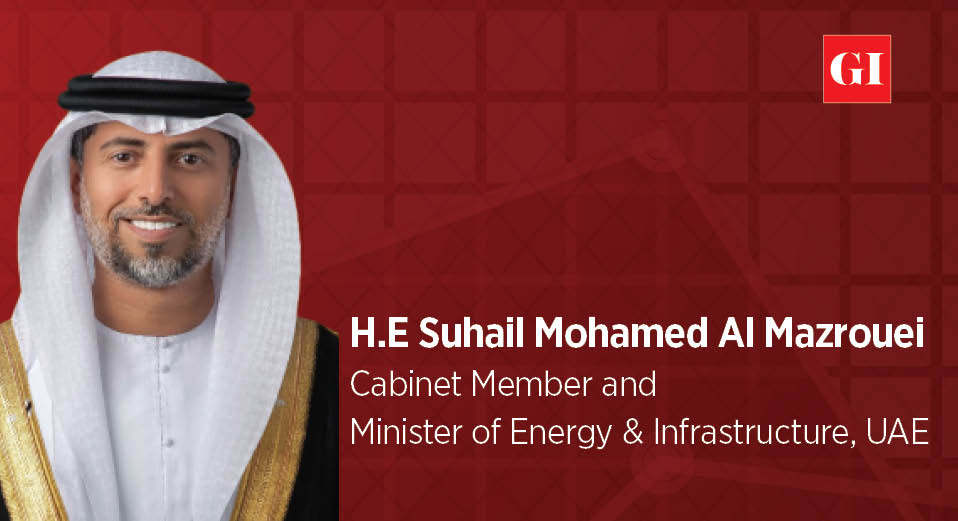
The UAE’s decision to exit OPEC reflects a “sovereign decision” taken after careful consideration of the country’s long-term strategy. At its core, the move provides greater freedom to produce according to national requirements, particularly to support domestic industries and strengthen the industrial base. With ADNOC and its group of companies playing a central role across the oil and gas value chain, this flexibility is expected to enhance planning and allow for clearer prioritisation of resources. At the same time, the UAE is not stepping away from its responsibilities in the global market. The country has reaffirmed its position as a “responsible producer, ” committed to contributing to stability between supply and demand. While no longer part of OPEC, it will continue to work closely with other producers, maintaining relationships and engaging on a bilateral basis in line with market requirements.
Geopolitical Risk & Energy Security
There is also a strong emphasis on the risks surrounding critical energy routes, particularly the Strait of Hormuz. The concern is clear: no single group should be allowed to control such strategic passages, given the potential for market shocks and the disproportionate impact on poorer nations and global consumers. Ensuring stability and safeguarding the flow of energy remains a central priority in an increasingly uncertain geopolitical environment.